


In general, eating a healthy, balanced diet reduces your risk of developing cancer, while a poor diet increases your cancer risk. Cancers associated with diet are most commonly found in the digestive tract, including the oesophagus, stomach and bowel.
Improving your diet can be as simple as trying to eat more:
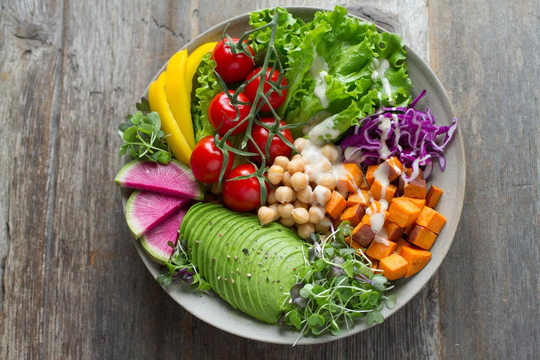
- vegetables, fruit and legumes
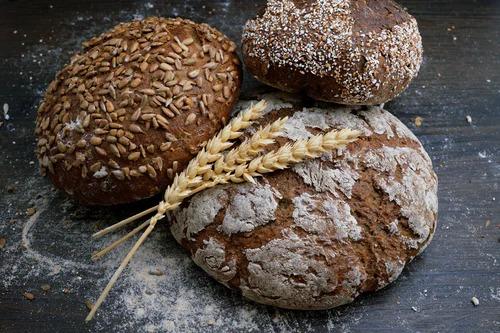
- cereals (preferably wholegrain) - bread, rice, pasta and noodles contain fibre, and a diet high in fibre can reduce the risk of developing certain types of cancer.
While at the same time you can try to eat less:
- red meat such as beef, veal, lamb, venison, goat and pork
- processed meat such as salami, ham, hot dogs and canned meat.
There are many factors that influence our body weight, including our genetics, our access to nutritious food and safe places to exercises, other health conditions and medications, as well as what we eat and how we move our bodies. In turn, body weight can influence our cancer risk.
Eat for health
You can lower your risk of cancer by enjoying a healthy diet, being physically active every day and avoiding excess weight gain. What we eat is particularly important as it can influence two risk factors; our nutrition and our body weight.
While there is no one food that can protect against cancer, there are steps you can take to lower your overall risk. A healthy diet may protect against cancers including cancer of the bowel, liver, oesophagus (food pipe), lung and stomach.
Eat more vegetables and fruit
As per the Australian Dietary Guidelines, eat at least two serves of fruit and five serves of vegetables each day.
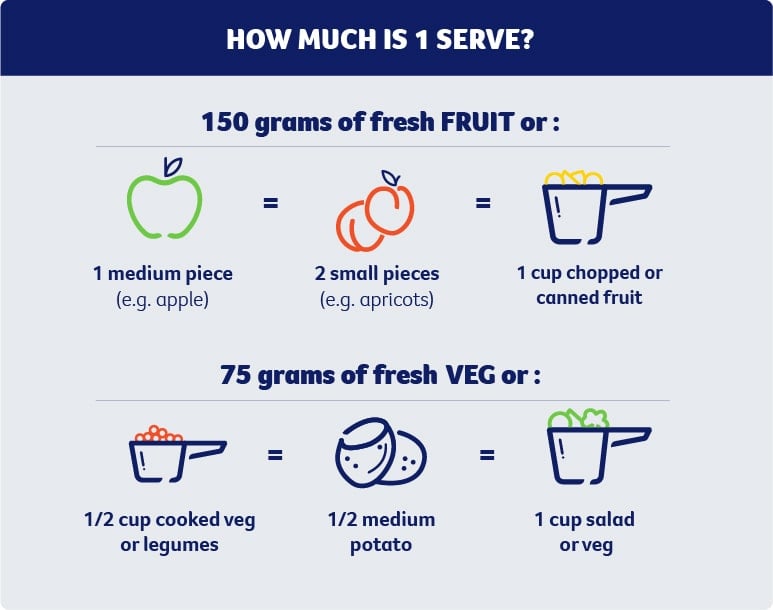
Tips to eat more fruit and vegetables
- Double your serving of vegetables.
- Try a new fruit each week.
- Use frozen vegies for convenience.
- Include vegies with your lunch.
- Add extra vegies to all your recipes.
- Have fruit instead of sweets.
Eating well
- Eat a variety of raw and cooked vegetables, fruit and legumes (e.g. dried beans, lentils).
- Eat plenty of cereals (including breads, rice, pasta and noodles), preferably wholegrain.
- Eat red meat no more than three to four times a week. On the other days choose fish, poultry, dried or canned beans or lentils.
- Choose foods low in salt.
- Don't eat too much fat, especially saturated fat. Be aware of hidden fats in snack foods, cakes and takeaway foods.
- Choose low fat yoghurt, cheese and milk.
What about taking vitamin and mineral supplements?
If you enjoy a wide variety of nutritious foods you will get the nutrients you need, reduce your cancer risk and be less likely to be overweight or obese. For most healthy people, vitamin and mineral supplements are not necessary when they eat well.
Remember, if you have any concerns or questions, please contact your doctor.

Cancer patients and diets
If you have cancer, you need to try to continue to eat well in order to help your body fight the disease. This is often difficult because the cancer and the treatment can make you feel very unwell. However, there are ways to manage and control these effects.
If you or someone you know has cancer, it may be useful to speak to a dietitian, nurse or doctor. They can offer advice on what to eat, how to deal with loss of appetite and any other eating problems you might experience.
You can also refer to the websites of the state and territory Cancer Councils for more information or phone Cancer Council 13 11 20.
Eat for Health websites
Cancer Council Tasmania has collated a range of other websites with more information and resources on healthy eating.
Healthy Eating Information and Resources
A program running in Tasmanian primary schools and early childhood centres promoting healthy eating and regular physical activity.
Eat Well Tasmania is a state-wide service that provides support and assistance for activities or projects that promote enjoyable healthy eating.
The Tasmanian School Canteen Association offers support and education to school communities of government and non-government schools in the areas of canteen foods, policy, links to the curriculum, marketing and promotion, financial management and food safety and hygiene.