

Types of cancer
Melanoma signs, symptoms, and risks
Learn how to spot a melanoma, and learn about symptoms and risk factors.


Last updated:
Sources and references 
Signs of melanoma
The ABCD and EFG rule is a tool used by doctors to help them look for characteristics of skin damage when diagnosing melanomas.
| ABCD signs | ||
| Asymmetry | Are the halves of each spot different? | 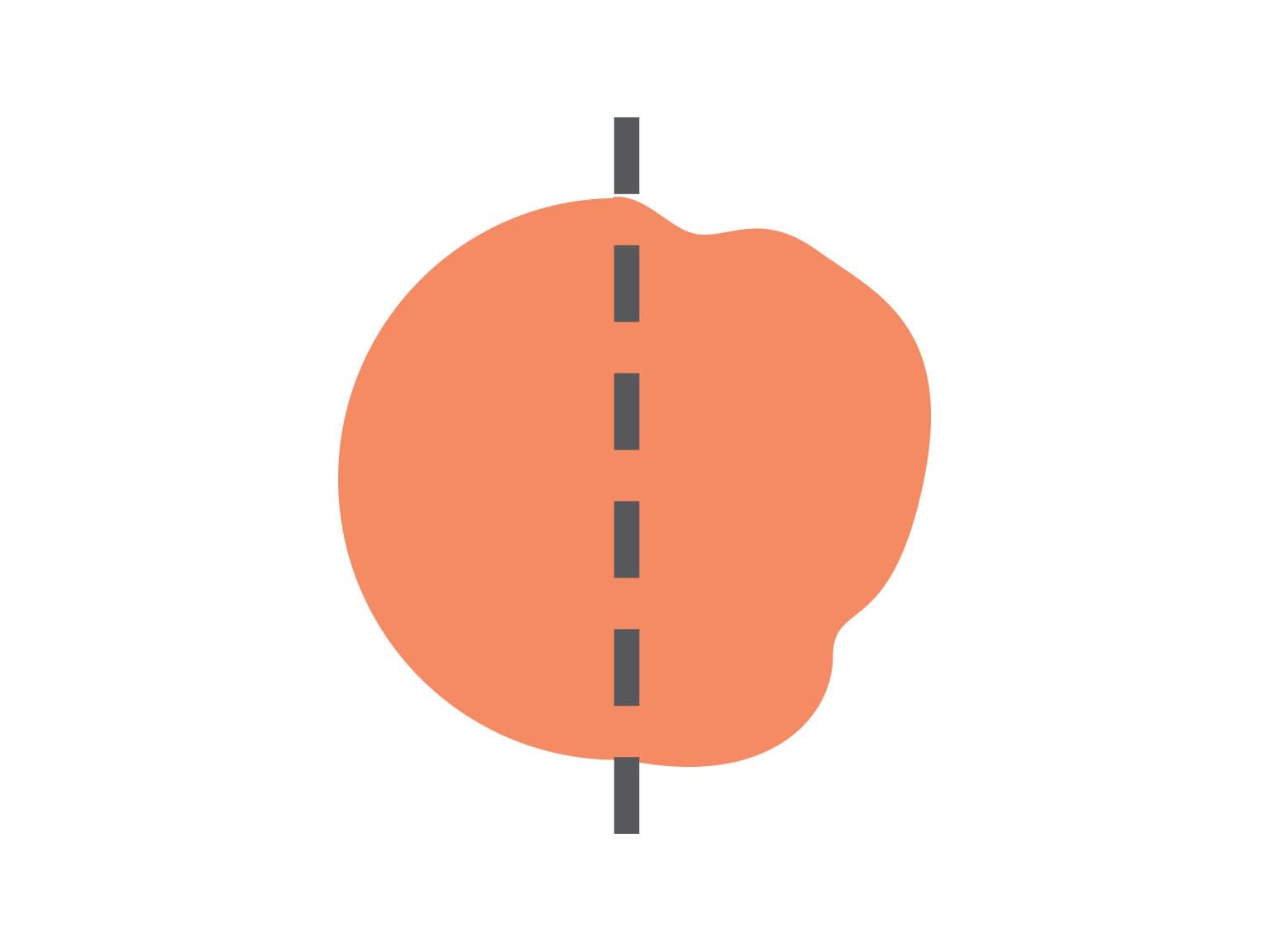 |
| Border | Are the edges uneven, scalloped or notched? | 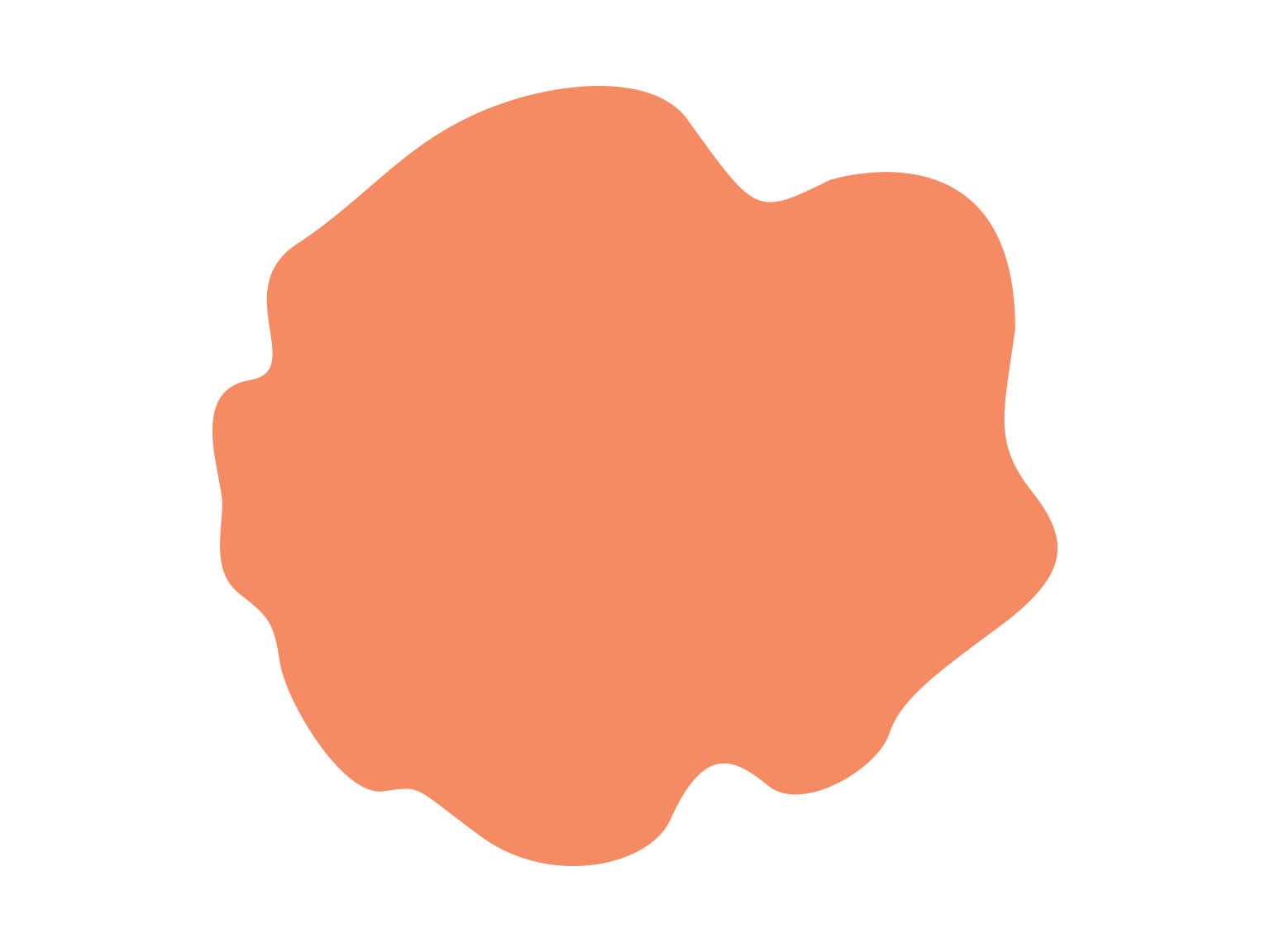 |
| Colour | Are there differing shades and colour patches? | 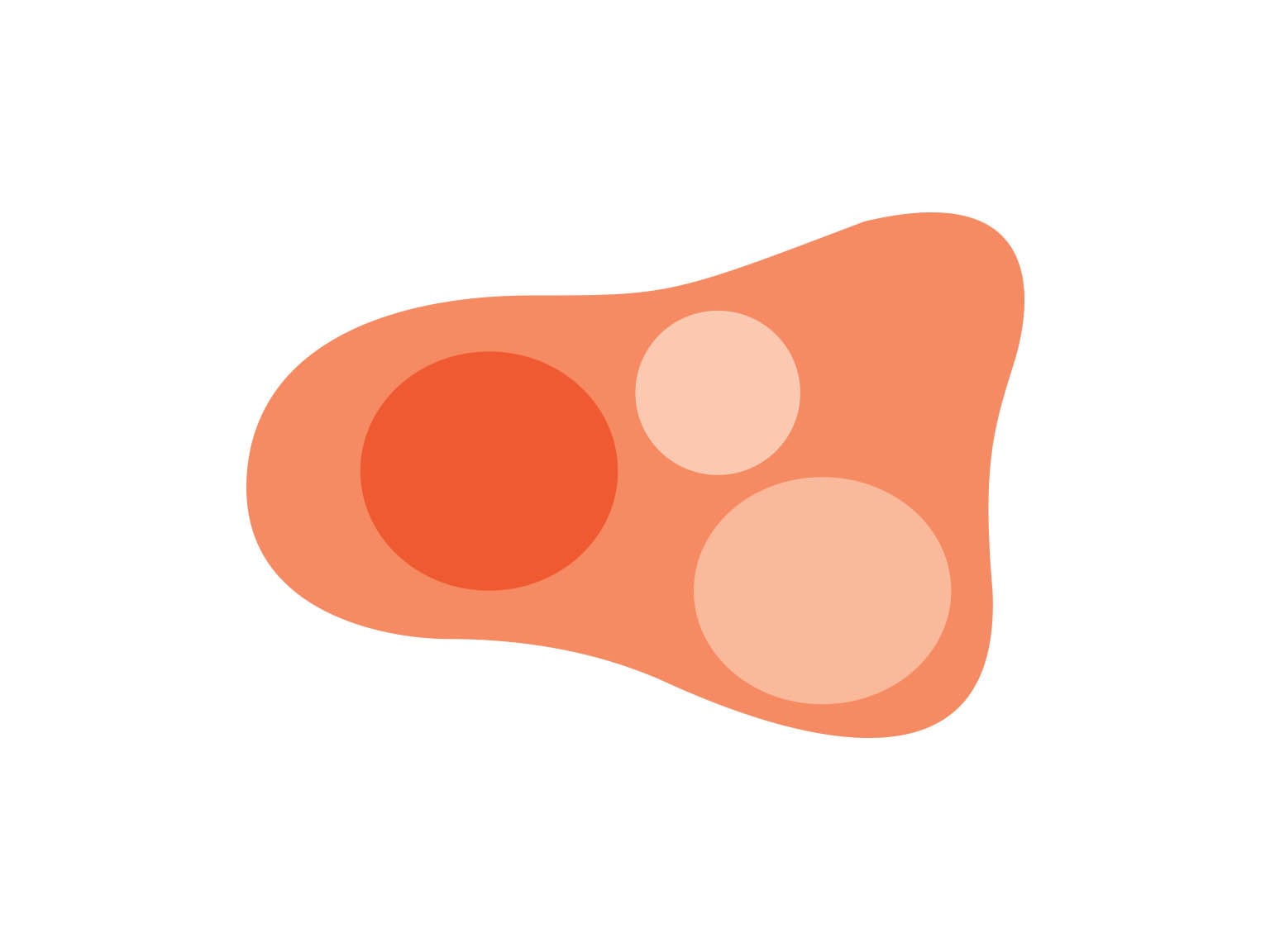 |
| Diameter | Is the spot greater than 6 mm across, or is it smaller than 6 mm but growing larger? | 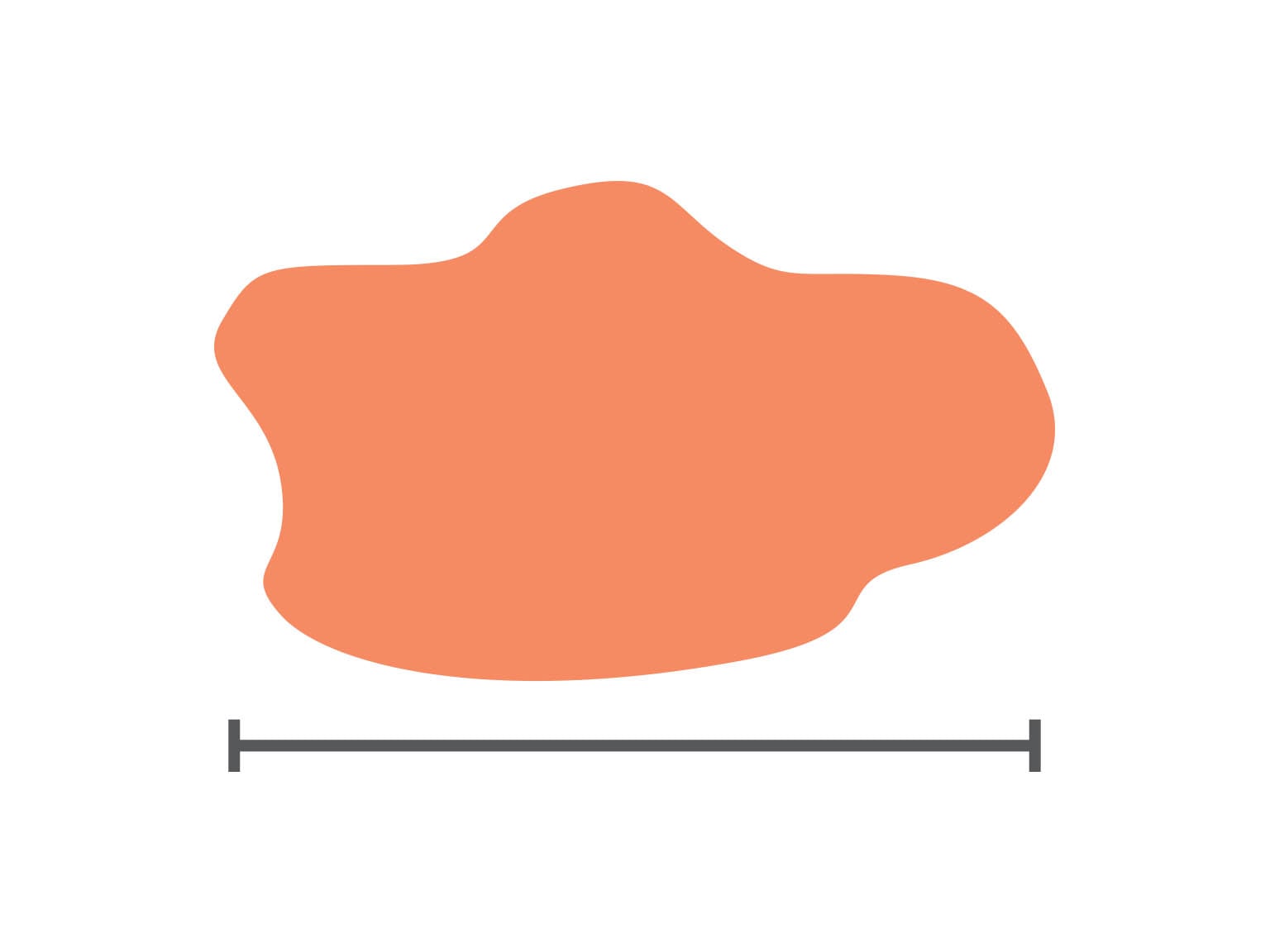 |
Some types of melanoma, such as nodular and desmoplastic melanomas, don't fit the ABCD guidelines.
| EFG signs | ||
| Elevated | Is it raised? | 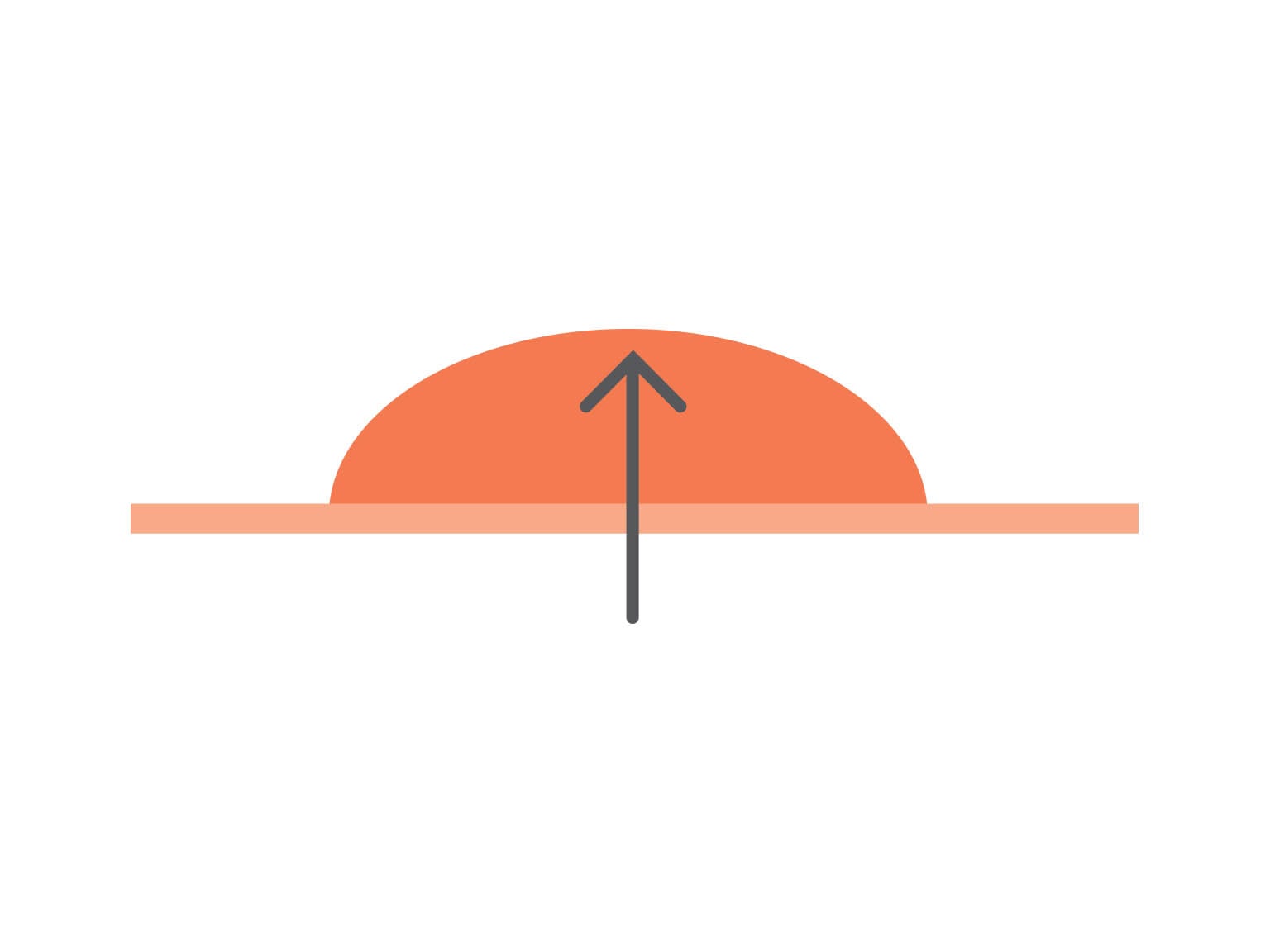 |
| Firm | Is it firm to touch? | 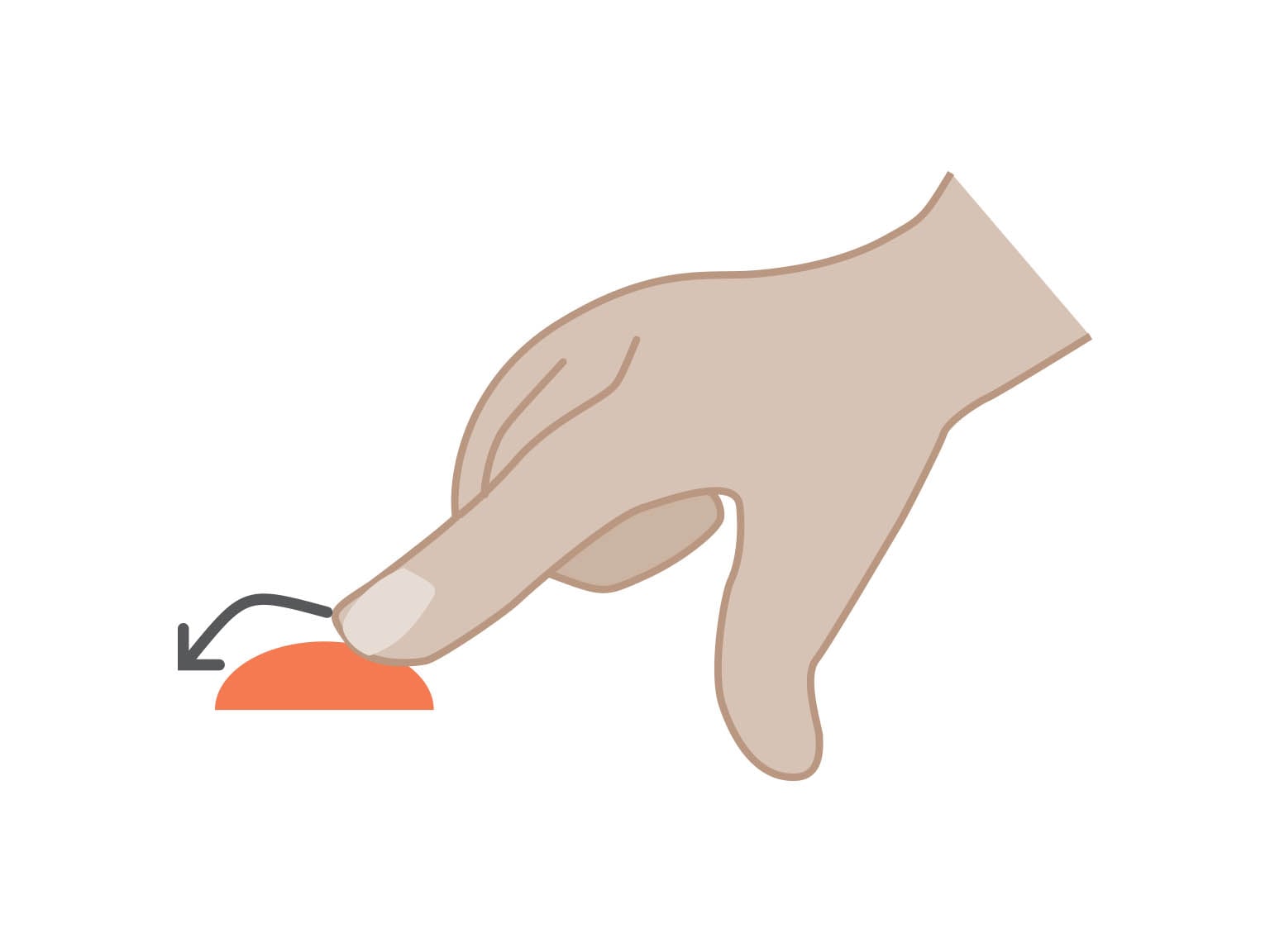 |
| Growing | Is it growing quickly? | 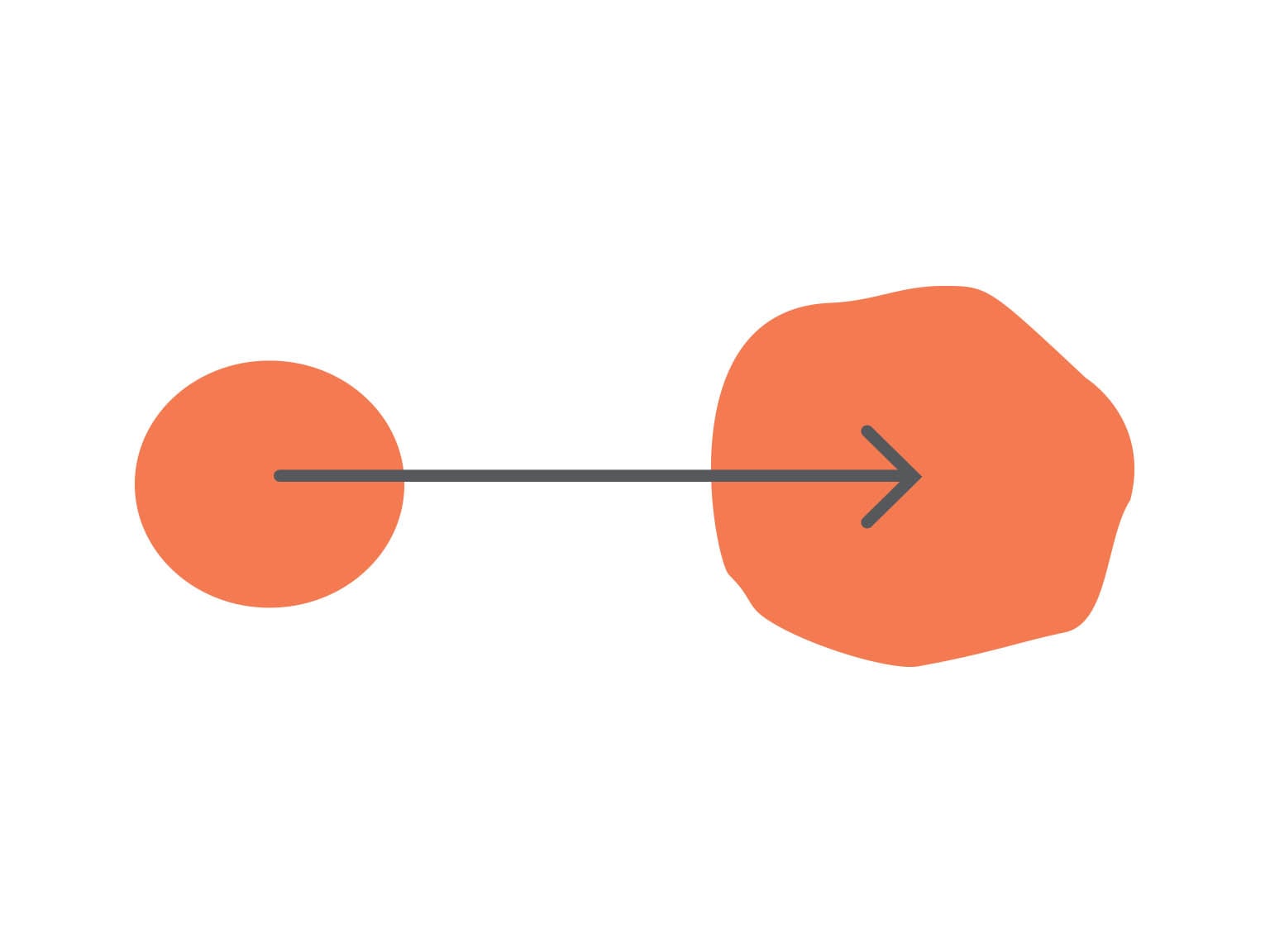 |
How do I spot a melanoma?
New moles mostly appear during childhood and through to the age of 30 to 40. However, adults of any age can develop new or changing spots. It is important to get to know your skin and check it every 3 to 6 months.
To check your skin, make sure you are in a place with good light, undress completely and use a full-length mirror to check your whole body. For areas that are hard to see, use a handheld mirror or ask someone to help. It is also a good idea to take a photo of your moles and spots so that you can compare them with an older photo to see if one has changed.
How melanoma looks can vary greatly. Look for spots that are new, different from other spots, or raised, firm and growing. If you have lots of moles, a melanoma usually stands out and looks different from other moles. A melanoma is usually brown or black, but it can also be pink.
Even if your doctor has said a spot is benign in the past, check for any changes in shape, size or colour. If you notice a new or changing spot, get it checked as soon as possible by your doctor
What causes melanoma?
Exposure to ultraviolet (UV) radiation is the cause of most types of skin cancer. If unprotected skin is exposed to the sun when the UV index is 3 or above or to other UV radiation, the structure and behaviour of the cells can change. This can permanently damage the skin, and the damage builds up every time a person spends time unprotected in the sun.
UV radiation most often comes from the sun, but it can also come from artificial sources such as solariums (also known as tanning beds or sun lamps). Solariums are now banned for commercial use in Australia because research shows that people who use solariums have a much greater risk of developing melanoma.
Who is at risk?
While anyone can develop melanoma, the risk is higher for people who have:
- unprotected exposure to UV radiation when the UV index is 3 or above, particularly a pattern of short, intense periods of sun exposure and sunburn, such as on weekends and holidays
- had significant UV exposure when they were young
- lots of moles (naevi), especially if the moles have an irregular shape and uneven colour
- pale or freckled skin, especially if it burns easily and doesn’t tan
- fair or red hair, and blue or green eyes
- a previous melanoma or other type of skin cancer
- a strong family history of melanoma (see below)
- a weakened immune system due to medical conditions or from using immunosuppressive medicines for a long time.
Sources and references
Understanding Melanoma - A guide for people with cancer, their families and friends
Acknowledgements
This edition has been developed by Cancer Council NSW on behalf of all other state and territory Cancer Councils as part of a National Cancer Information Subcommittee initiative.
We thank the reviewers of this booklet: A/Prof Rachel Roberts-Thomson, Medical Oncologist, The Queen Elizabeth Hospital, SA; A/Prof Robyn Saw, Surgical Oncologist, Melanoma Institute Australia, Royal Prince Alfred Hospital and The University of Sydney, NSW; Alison Button-Sloan, Consumer; Dr Marcus Cheng, Radiation Oncologist Registrar, Alfred Health, VIC; Prof Anne Cust, Deputy Director, The Daffodil Centre, The University of Sydney and Cancer Council NSW, Chair, National Skin Cancer Committee, Cancer Council, and faculty member, Melanoma Institute Australia; Prof David Gyorki, Surgical Oncologist, Peter MacCallum Cancer Centre, VIC; Dr Rhonda Harvey, Mohs Surgeon, Dermatologist, Green Square Dermatology, The Skin Hospital, Darlinghurst and Sydney Melanoma Diagnostic Centre, RPA, NSW; David Hoffman, Consumer; A/Prof Jeremy Hudson, Southern Cross University, James Cook University, Chair of Dermatology RACGP, Clinical Director, North Queensland Skin Cancer, QLD; Dr Damien Kee, Medical Oncologist, Austin Health and Peter MacCallum Cancer Centre and Clinical Research Fellow, Walter & Eliza Hall Institute, VIC; Angelica Miller, Melanoma Community Support Nurse, Melanoma Institute Australia, WA; Romy Pham, 13 11 20 Consultant, QLD; A/Prof Sasha Senthi, Radiation Oncologist, Alfred Health, and Clinical Research Fellow, Victorian Cancer Agency, VIC; Dr Chistoph Sinz, Dermatologist, Melanoma Institute Australia, NSW; Dr Amelia Smit, Research Fellow, Melanoma and Skin Cancer, The Daffodil Centre, The University of Sydney and Cancer Council NSW; Nicole Taylor, Clinical Nurse Consultant, Crown Princess Mary Cancer Centre, Westmead Hospital, NSW.
We also thank the health professionals, consumers and editorial teams who have worked on previous editions of this site.
References
- Cancer Council Australia Melanoma Guidelines Working Party, Clinical practice guidelines for the diagnosis and management of melanoma, Melanoma Institute Australia, Sydney, viewed 31 January 2025, available from cancer.org.au/clinical-guidelines/skin-cancer/melanoma.
- Australian Institute of Health and Welfare (AIHW), Cancer Data in Australia, AIHW, Canberra,
2024, viewed 31 January 2025, available from aihw.gov.au/reports/cancer/cancer-data-inaustralia/data. - Australian Institute of Health and Welfare (AIHW), Cancer in Australia 2021, AIHW, Canberra, 2021.

Melanoma
Cancer Council 13 11 20
Call us to talk to a specially trained health professional for free and confidential support and information.
Guide to best cancer care
This melanoma guide explains the standard of high-quality cancer care that all Australians can expect, from diagnosis, to treatment, recovery, and living with cancer.