

Types of cancer
Skin cancer
SCIENTIFIC NAME: BASAL CELL CARCINOMA (BCC); SQUAMOUS CELL CARCINOMA (SCC), NON-MELANOMA SKIN CANCER, KERATINOCYTE CANCER


Last updated:
Sources and references 
Skin cancer
The two most common types of skin cancer are basal cell carcinoma (BCC) and squamous cell carcinoma (SCC). These skin cancers are called non-melanoma skin cancer or keratinocyte cancer. If you are looking for information about melanoma, visit our Melanoma section.
About skin cancer
Find out about the different types of skin cancer and how common they are.
Skin cancer symptoms, risks and screening
Learn about the common symptoms and risk factors for skin cancer, and how often you need to have your skin checked.
Diagnosing skin cancer
Information about the tests for skin cancer, how skin cancer is diagnosed and staged, and who will provide your care.
Treatments for skin cancer
Treatment for skin cancer may include surgery, Mohs micrographic surgery, curretage and electrodesiccation, cryotherapy, immunotherapy cream, chemotherapy cream, photodynamic therapy and radiation therapy.
Life during and after skin cancer treatment
Cancer can cause physical and emotional strain, so it’s important to look after your wellbeing.
Personal Stories
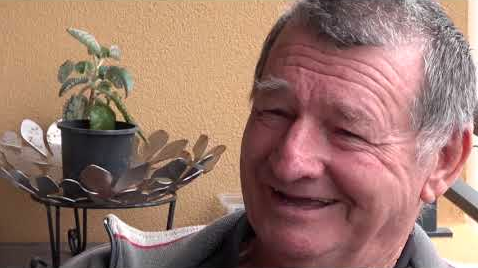
Graham Jenkins
Graham used to do a lot of welding jobs with no control measures in place. The UV produced from welding has likely contributed to numerous squamous cell carcinomas and basal cell carcinomas needing to be removed from his arms, chest and legs.
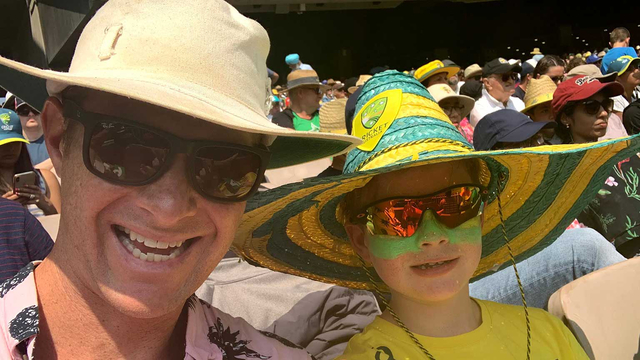
Alastair McCausland
When 42-year-old marketing professional, Alastair McCausland, first noticed a small pimple on his face, he didn’t think it was a problem.
Sources and references
This edition has been developed by Cancer Council NSW on behalf of all other state and territory Cancer Councils as part of a National Cancer Information Subcommittee initiative.
All updated content has been clinically reviewed by Prof Victoria Mar, Director, Victorian Melanoma Service, Alfred Hospital and Monash University, VIC and Prof Anne Cust, Acting Director, The Daffodil Centre, The University of Sydney and Cancer Council NSW, and faculty member, Melanoma Institute Australia.
This edition is based on the previous edition, which was reviewed by the following panel: Prof Victoria Mar (see above); Tracey Bilson, Consumer; Raelene Buchan, Consumer; Alison Button-Sloan, Consumer; Dr Margaret Chua, Radiation Oncologist, and the Skin Radiation Oncology team, Peter MacCallum Cancer Centre, VIC; Prof Anne Cust, (see above); A/Prof Paul Fishburn, Skin Cancer Doctor, Norwest Skin Cancer Centre, NSW and Faculty of Medicine, University of Queensland; Danielle Goss, Melanoma Clinical Nurse Specialist, Amie St Clair Melanoma (part of Melanoma Institute Australia), Wagga Wagga, NSW; Louise Pellerade, 13 11 20 Consultant, Cancer Council WA; Dr Shireen Sidhu, Head of Dermatology, The Royal Adelaide Hospital, SA; Dr Amelia Smit, Research Fellow – Melanoma and Skin Cancer, The Daffodil Centre, The University of Sydney and Cancer Council NSW; Dr Tony Tonks, Plastic and Reconstructive Surgeon, Canberra Plastic Surgery, ACT.
We also thank the health professionals, consumers and editorial teams who have worked on previous editions of this title.
Thanks also to Sydney Melanoma Diagnostic Centre for providing the dysplastic naevus photograph on page 11, A/Prof Paul Fishburn for providing the sunspot photograph on page 10, A/Prof Andrew Miller for providing the age spot photograph on page 10, and Prof H Peter Soyer for providing the other photographs on pages 9–11.
Cancer Council 13 11 20
Call us to talk to a specially trained health professional for free and confidential support and information.
Guide to best cancer care
This skin cancer guide explains the standard of high-quality cancer care that all Australians can expect, from diagnosis, to treatment, recovery, and living with cancer.