


Cancer screening really does make a big difference to the health of our community members and families. When cancer is found early, treatment can be a lot more effective.
Free National screening programs are available in Australia for lung cancer, breast cancer, bowel cancer and cervical cancer.
We understand that you may have questions about the pandemic and COVID-19. For the latest information, visit our page on cancer and COVID-19. If you have any concerns, talk to your doctor or health care provider.
Lung cancer screening
Lung cancer is the most-commonly diagnosed cancer for Aboriginal and Torres Strait Islander Peoples.
The National Lung Cancer Screening Program helps detect signs of cancer early.
You are eligible for the program if you are between 50-70 and:
- show no signs or symptoms suggesting you may have lung cancer (such as a persistent cough, shortness of breath, or chest pain)
- currently smoke or have quit smoking in the past 10 years
- have a history of tobacco cigarette smoking of at least 30 pack-years (for example, a pack a day for 30 years, or 2 packs a day for 15 years).
Your healthcare provider can help you work out whether you’re eligible.
Bowel cancer screening
If you are aged 45-74, bowel cancer screening kits are free through the National Bowel Cancer Screening Program. Kits are automatically sent to your home every two years, provided your address is up to date with Medicare. If you have received a bowel cancer screening kit and are yet to complete it, don’t put it off, do the test today.
You can request a free screening kit by completing a webform or calling 1800 627 701.
Cervical cancer screening
Anyone aged 25-74 should make sure they have their cervical screening test. You should have a Cervical Screening Test even if you feel healthy. This is because cervical cancer and HPV infections usually have no symptoms.
The test changed in December 2017, and if the new test is negative, you will only need to be screened every five years.
You can get the test from:
- your doctor
- an Aboriginal Health Service
- some women's and community health centres
- Well Women's Clinics and Services at hospitals
Anyone who is eligible for cervical screening can also have their screening test done on a self-collected sample. Self-collection means you can take your own cervical screening test using a cotton-tipped swab that you insert into your vagina. Your practitioner will provide you with a swab and explain how to take the test. Self‑collection is a safe and effective option for women who do not feel comfortable having a speculum exam.
If you think that you are due or overdue, yarn with your GP or healthcare worker.
Breast cancer screening
BreastScreen Australia invites women aged 50-74 to have a free two-yearly mammography. Women aged 40-49 and 75 years and over are also eligible for free mammography, but do not receive an invitation.
If you have received an invitation to have your breast screening, you should make an appointment as soon as you can. You can also call BreastScreen Australia on 13 20 50 for more information or to book an appointment.
Have a yarn with your GP or Aboriginal or Torres Strait Islander health worker for more information about screening, they are there to support and look after you.
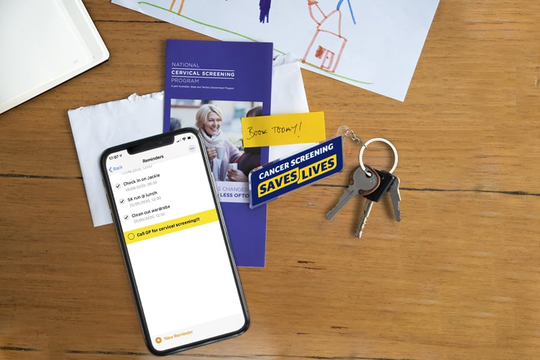
Cervical cancer screening
Cancer Council advises eligible women to participate in the program.
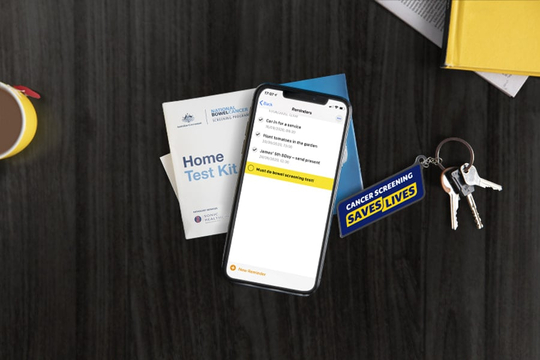
Bowel cancer screening
Cancer Council recommends that Australians aged 50-74 take the test every two years.
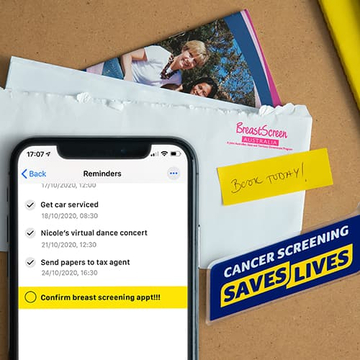
Breast cancer screening
Cancer Council recommends that women who are eligible participate in the program.
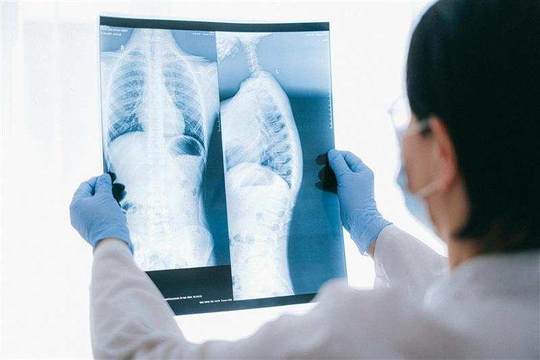
Lung cancer screening
NLCSP is a free Australian government initiative designed to detect lung cancer early, before symptoms appear.